MEQU °M Warmer System Starter Kit | Blood and fluid warmer
MEQU °M Warmer System Starter Kit | Blood and fluid warmer
Couldn't load pickup availability
Share
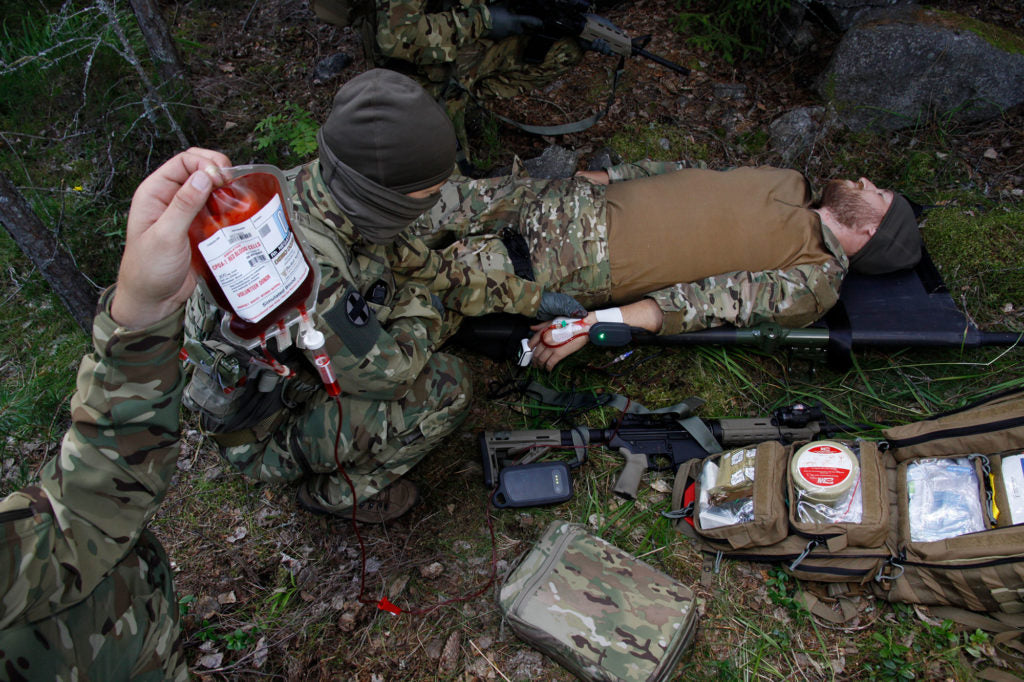
Developed to meet the requirements of special forces and extreme operational situations.
Lightweight, compact and portable!
Working with military and special units during the design process has resulted in a robust product that tolerates water and heavy contamination, making it resilient in a pre-clinical environment. It is also approved for use in helicopters and aircraft.
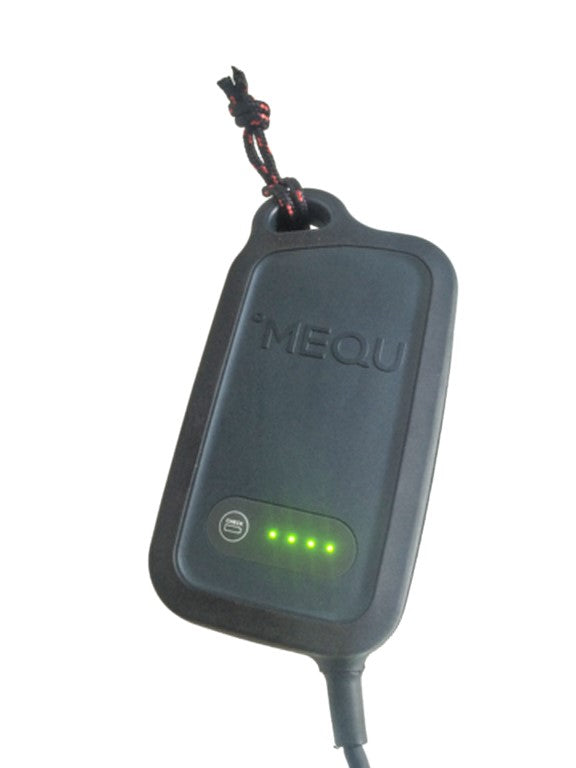
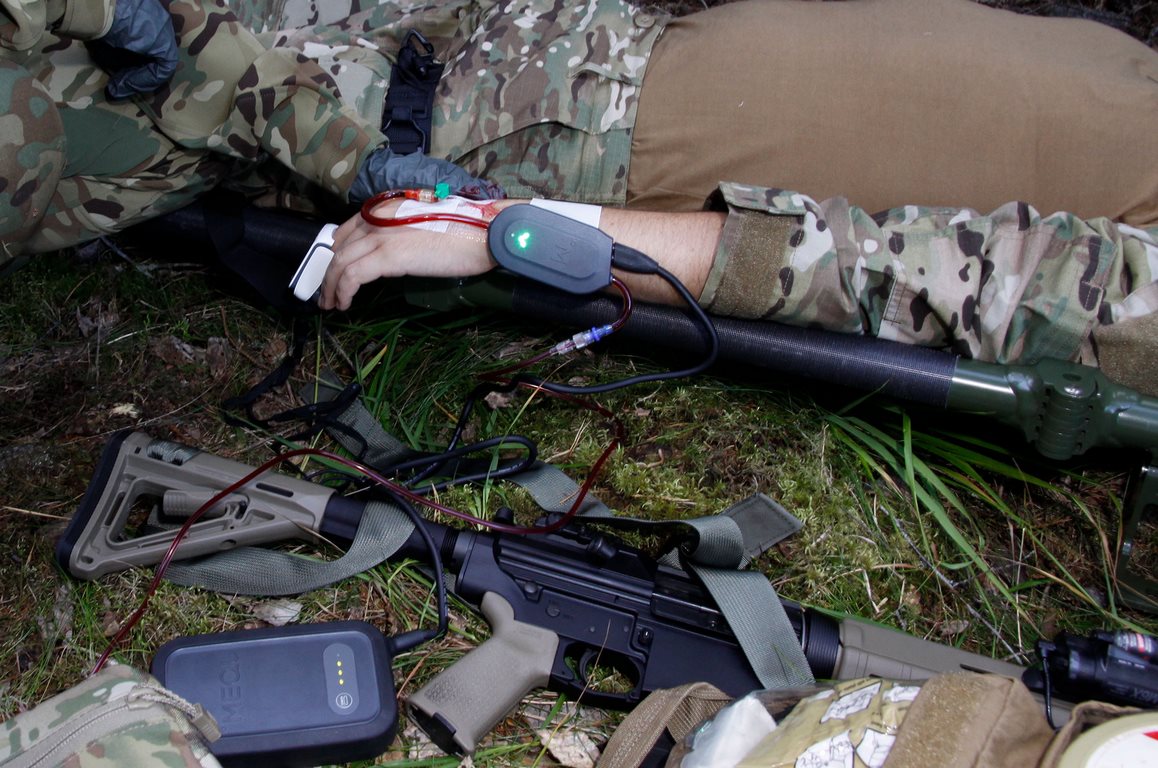
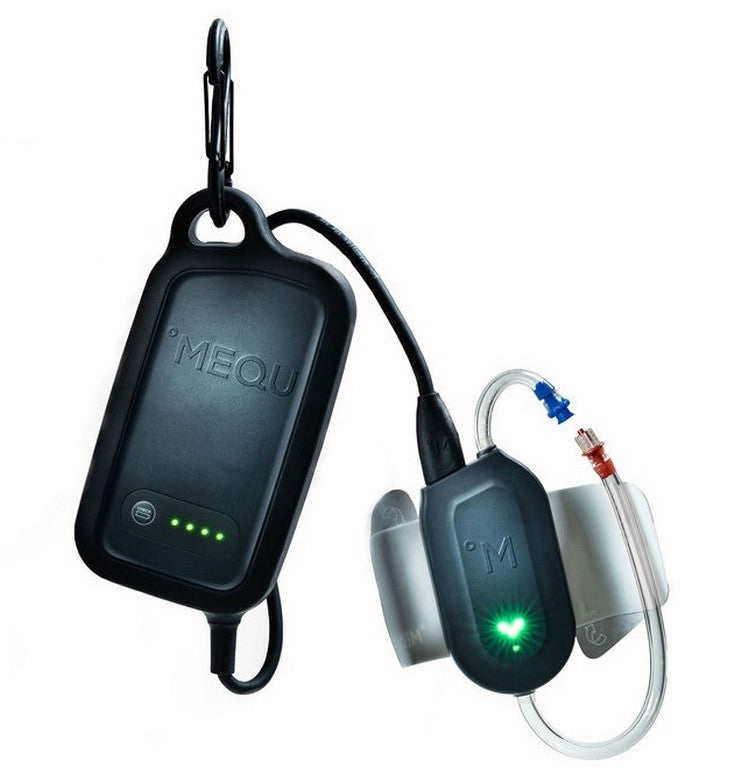
The power supply connects easily to the warmer, and the connection is secured to prevent it from coming loose during transport.
The compact design and low weight make it one of the smallest products on the market while meeting the high requirements of military units, special units and rescue services.
FAST & SAFE
In trauma situations, medics have to act quickly. Speed is critical, as products must be very intuitive and easy to implement so that life-saving treatments can begin as quickly as possible. With the °M Warmer, the transfusion with warm fluid can begin in less than 30 seconds.
HIGH PERFORMANCE
The °M Warmer not only offers extremely efficient warming functions (150 ml / min), a fast warm-up time (less than 10 seconds) and a battery capacity sufficient to warm 1.5 liters of cold fluid (5° C), but is also designed to resist water and has an absolutely durable plug connection that withstands even a hard fall. This ensures high reliability in every emergency.
COMPACT DESIGN
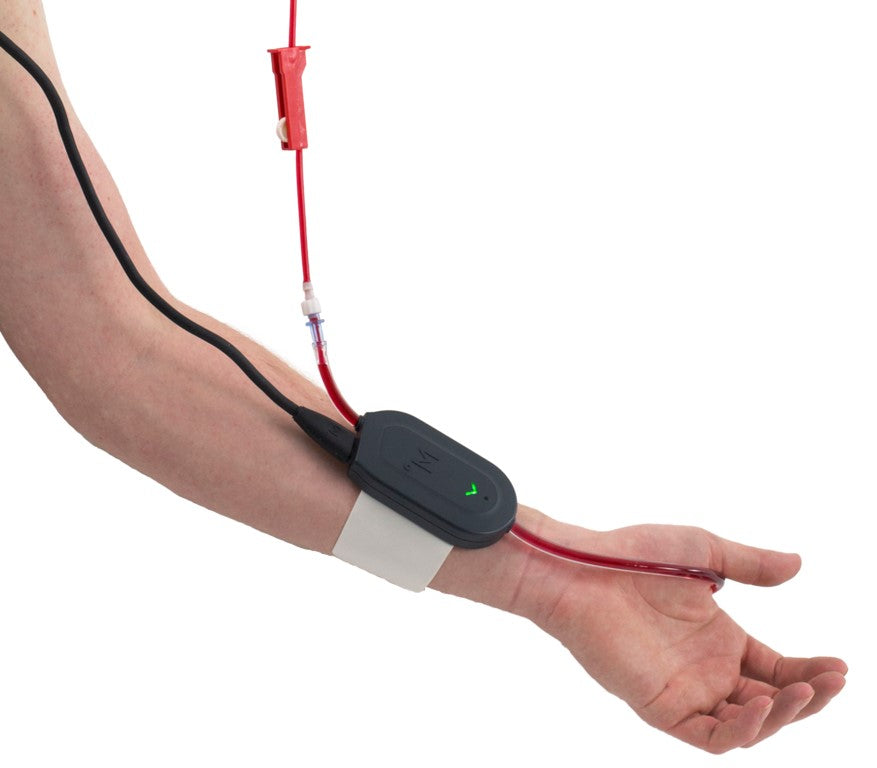
The power pack and the °M Warmer are compact and together weigh only 760 grams. This makes the °M Warmer system ideal for response teams in the pre-clinical field. The small size of the disposable warmer (10 cm x 5 cm x 2 cm) allows it to be attached to the patient near the infusion site using the integrated adhesive pad.
Quick and extremely easy setup - the setup takes less than 30 seconds and no assembly of separate parts is required. Only a simple three-step process is needed: connect the IV line to the °M disposable warmer, connect the °M Warmer to the IV / IO access and connect the power supply.
Extremely efficient warming - warms fluids (including blood) from 5 ° C to 37 ° C at flow rates of up to 150 ml / min. A single charge of the power pack can warm either 4 bags of 5° C cold blood (approx. 1.5 liters) or 3 liters of fluid (ambient temperature).
Low weight and low volume - the power pack and the ° M disposable warmer weigh only 760 grams. The power pack measures 18 cm x 9 cm x 3.5 cm and the disposable warmer measures 10 cm x 5 cm x 2 cm.
Adhesive pads for secure attachment near the infusion site - The °M disposable warmer has an adhesive on its back with which the °M Warmer can be attached to the patient near the infusion site. This drastically reduces the risk of the catheter being pulled out.
Approved for use in helicopters and aircraft.
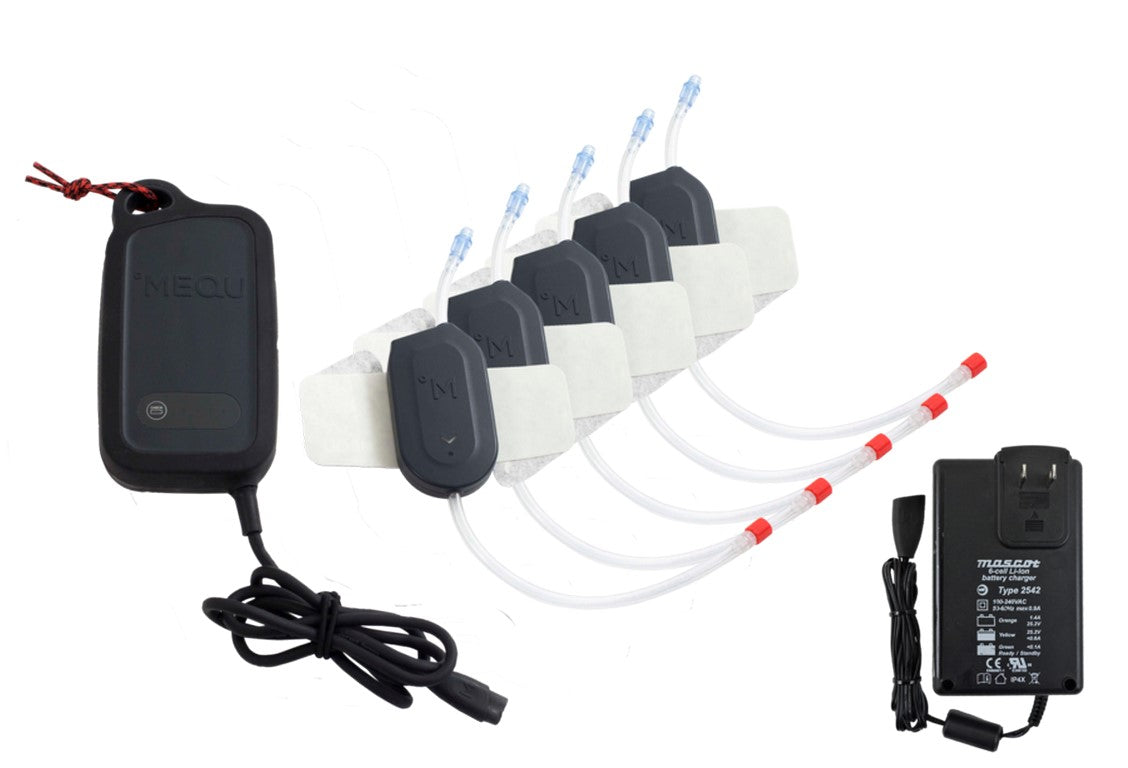
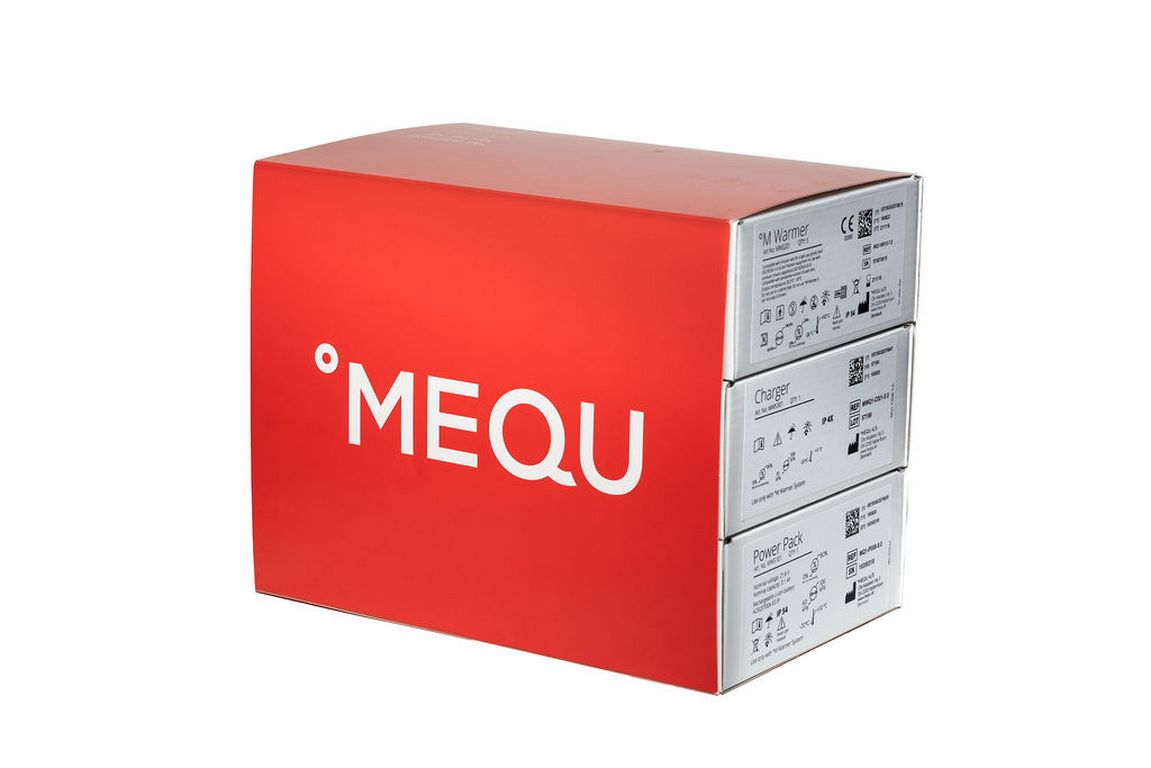
Scope of delivery:
• 5x °M Warmer disposable patient warmers (IP 54)
• 1x power pack battery
• 1x charger AC power supply / charger
• 5x country power adapters
Warm blood saves lives!
Hypothermia is a condition in which the body's own heat production cannot keep pace with heat loss to the environment, resulting in a reduced core body temperature. Trauma patients do not die from hypothermia itself - they die from bleeding. Through bleeding, the body loses important red blood cells, which are used to transport oxygen to the brain and other vital organs. Trauma patients with significant bleeding are at risk of entering the lethal triad of trauma: hypothermia, acidosis and coagulopathy. This combination means that as core body temperature falls, the acidity of the blood increases and the blood loses its ability to clot. Without coagulation, it is much more difficult to stop the bleeding and save the patient's life.
Studies show that patients with admission temperatures below 35 ° C have a significantly higher mortality. [1] This is a considerable risk, as studies also show that hypothermia is the most common cause of coagulation disorders [2] and that approximately 57% of trauma victims who require immediate surgery become hypothermic in the period between injury and completion of surgery. [3]
The American Center for Army Lessons Learned (CALL) states that 80% of trauma deaths in Iraq and Afghanistan had a core body temperature below 34 ° C. The consequence of bleeding and a BCT below 34 ° C is a 2.4-fold increase in blood loss compared with a normal core body temperature of 37 ° C. [4]
Preventing hypothermia and intervening early are very important when it comes to controlling the body's temperature. Waiting until arrival at the hospital may be too late.
1. Martin, R Shayn;et al. Injury-associated hypothermia: an analysis, Shock Vol 24(2), Aug. 2005, pp 114
2. Kjærgård, B et. al, Behandling af den hypoterme patient, UGESKR LÆGER 170/23, 2008
3. Betty J. Tsuei, Hypothermia in the trauma patient, Int. J. Care Injured (2004) 35, 7—15
4. Jarvis – OEF OIF Casualty Statistics & Lessons Learned-REVISED 18 April 2005, C.A.L.L.